What We Believe: He is not silent

This is an ongoing series of blog posts based on papers originally written for my church’s elder class. Our subject for this entry is how God communicates with His people.

One important truth that underlies the preaching of the gospel is that God is not a secret from creation, but that He is present and making Himself known to, and in, creation. As Paul says in Romans 1, “‭…what can be known about God is evident among them, because God has shown it to them. For his invisible attributes, that is, his eternal power and divine nature, have been clearly seen since the creation of the world, being understood through what he has made. As a result, people are without excuse.” But to speak of God’s communication with us is not simply a matter of inference from what we see, but a matter of direct, and interactive, communication. 

One of the most striking truths about the relationship between God and man is that we have a truly personal relationship. God does not sit high above us unapproachable and uninterested, but He is deeply involved in His creation, and He has given us the means by which we may truly know Him. It is important to understand what this means for us in our daily lives, and what it looks like to draw near to God in reverence and expectation that He is both speaking and listening.

Speaking with our Father

Prayer is seen all throughout the Bible and Jesus is constant in His prayers. Very often we see Him withdrawing from others to spend time in prayer with the Father, and it is in His prayers that we see the true intimacy of that inter-Trinitarian relationship. Jesus teaches His disciples to pray in Matthew 6 with a confession that God is not just God but that He is “our Father.” That is an incredibly intimate confession for us to make, and the Son of God is calling all of us who are in Him to join with Him in calling God the Father, our own Father. 

Yet this is not said casually, for the very next line calls for His name to receive the highest reverence. Many of us have memorized it as “hallowed by Your name,” or as the CSB renders it, “Your name be honored as holy.” God is our Father and we may draw near Him, yet He is also our holy and perfect God, and we hold those two truths in balance with one another.

From there the prayer moves to a desire that God’s will should be seen in our world as much as it is Heaven. Not because God is not sovereign over all things, but in the sense that we would see the rebellion of sin be wiped away, and all creation be restored to true peace and obedience to God, to true harmony. We seek to bring ourselves into true obedience to the Shema, what Jesus rightly calls the greatest commandment: that we would love God with every element of our beings to the fullest.

Finally, we see the desire for God’s provision – for our needs, and against the failures of sin in our flesh. And we know God hears these and provides for them. Jesus says as much later in the same chapter, as He says “So don’t worry, saying, ‘What will we eat?’ or ‘What will we drink?’ or ‘What will we wear?’ For the Gentiles eagerly seek all these things, and your heavenly Father knows that you need them. But seek first the kingdom of God and his righteousness, and all these things will be provided for you.” And we see exactly that in the prayer He teaches – it begins with the kingdom, and ends with our needs. The Lord calls us to pray to Him, and often, bringing our needs to Him over and over. There is no tiring or annoyance, because this is truly another example of God ordaining both the ends – His working in our world and lives – and the means – the prayers of His people.

Our Father speaking with us

By the same token, He speaks to us, through His Word and by His Spirit. It isn’t a matter of asking God a question, flipping open a Bible and pointing at a random verse to get an answer, but rather that devoted pursuit of God in His Word along with pursuing that intimacy with God in prayer will bring us deeper into understanding God’s will for life, strengthening our wills to endure difficulty and to glorify God in the circumstances of our lives. I wrote in the last entry on election that humility is a necessary ingredient to our intimacy with God, as it should be. The order of creation is evident from the beginning of Scripture: that which is made worships that which made it. That’s why idol-worship is so consistently repudiated throughout the Bible, because the idea that someone would make an idol and then pray to this thing they just made is simply backward. We are made to know our Creator, and intimately so.

I have encountered many moments where a question or issue has been weighing on my mind and in my prayers, and I have suddenly found myself encountering a passage that seems to speak directly to it. I try to be wary about reading my own desires into Scripture, but those moments have happened to me. I had a moment just the other day when I had a weight on my heart about an issue I was wrestling with, and my tendency when left to my own devices is to just let it eat at me. In that moment however, I pushed against that and chose to stop, and sit in the Word and prayer, and wait. What I found was most certainly the peace that passes understanding, and a reassurance that was echoed from those around me without my seeking it out from them. It’s said that those who look for patterns will find them, and certainly someone who doesn’t believe would likely make that claim. I have no qualms about the fact that personal evidence is the weakest kind – yet it is as much a part of my testimony as the truths of Scripture I’ve learned, or the evidence of God written in the building blocks of creation itself.

I’ve encountered what seemed at the time to be a moment of close communication by the Spirit. I’ve experienced the Lord ministering to my spirit in dark times in ways that are difficult to articulate, yet were clearly an experience that was bigger than myself, than my own ideas. I think the reason why these particular moments are ones I attribute to the Lord ministering to me in such a moment are because these were instances that I was seeking answers in a difficult moment, and the answers I received were very much not what I would have desired. There was also the fact that they were later confirmed, again not because I sought to make them happen, but because of how these particular circumstances concluded. I’m writing about this obliquely because these moments involve the privacy of others.

God is near to us, and we know Him in Christ, through the Spirit, and thus we pray. We know His will by His Word, which points to Christ, and is brought into being through the work of the Spirit. As His church we walk in this spiritual respiration of breathing in Word and breathing out prayer, and it is what truly sustains us. It is right for us to desire knowing God intimately, because the writers of Scripture show that He desires us to truly know Him. 

Paul says in 1 Corinthians 8 about the unity of knowledge and love in God. In humans, knowledge tends to produce overconfidence in ourselves, and is why God calls us to love him in the right way, the way that lets us depend upon him as His creatures, His children. He says that “if anyone loves God, he is known by him.” And in chapter 13 he expounds on love, what it is and why it is a necessary component of humanity. It’s not a mere extension of desire, as seems to us. It involves a humility, a surrender of who and what we are to the truth of who God us, and therefore to what we as humans are to each other: fellow image bearers of God, made to trust in Him with all our beings, made not to serve the will of a petulant demanding idol but instead to rely fully on the loving grace of our loving Father, our gracious Lord.

We must heed Peter’s words in his first epistle, that we must “humble [ourselves] therefore under the mighty hand of God, so that he may exalt [us] at the proper time, casting all [our] cares on him, because he cares about [us.]” Our humility isn’t rooted in fear of destruction, but in the truth that we must not deceive ourselves into self-reliance and self-aggrandizement. This is why Christian unity should not look like angry people demanding external morality in others. It shouldn’t look like a bunch of smarty-pantses who have all the answers to life’s questions. It should look like people who rest in the work of Jesus for everything they need, who love one another even and especially when they don’t seem very lovable, and who give of themselves to serve others – even to the cost of themselves. What we have is His, and He is a faithful provider at all times. He is here with us, and He is not silent.

A call to speaking and listening

I want to close with what I believe are wise actions to take as we all pursue God’s ministry to us in our daily lives:

  • Be in your Bible. The Bible is given to us as a gift, and is God’s speech. It’s not a cold dead text, but a living and vibrant one that is ministered to us by the Spirit and through the church. By staying in it we find our own encouragement and instruction, and we can be prepared for serving one another by being ready to engage in “teaching, for rebuking, for correcting, for training in righteousness.” Being in Scripture is critical when seeking to hear from God, for only by studying the true voice of our Father can we know when He is speaking with us, as opposed to us simply placing His name atop our own desires and thoughts. Scripture is sufficient to our needs for this in all things.
  • Make prayer a priority. I’ll be honest, this is a tough one for me, and I’ll bet it’s a tough one for many out there. It’s easy to find yourself distracted, or to feel like the time you have to devote to it could be used elsewhere. It’s easy to make excuses. But I don’t believe there’s ever been an instance in my life where I’ve rejected those excuses and made myself sit even for a few moments to pray, that I’ve walked away saying “I wish I had done something else.” Build the habit, and pursue it. 
  • Be in community. This isn’t simply a call to church attendance, though that is a given where it can be carried out. (Certainly as an American I often take for granted the fact that I can attend church freely and without fear, something that not every believer in the world is able to do.) This is a call to know and to be known. Develop friendships, have people who can pray for and with you, who can rebuke you in love when you’re going astray – and pursue the humility in your own heart to receive that. If your church is a place where you can’t truly be open because of a lack of grace, that may be a change you need to make. On the other hand, if it’s a place where confession brings about no encouragement to transformation, to repentance, that likewise is a deficiency in the ministry of the gospel. 

If there are ways we can provide help, guidance, or even simply prayer, please feel free to reach out to us. I desire that this podcast and blog is a place that encourages everyone who comes across it to hear the hope of Jesus, and to truly find their rest in Him. That includes you, whoever you may be. May the grace of Christ go with you into your home and work and everywhere else you venture.
What We Believe – Election

This is an ongoing series of blog posts based on papers originally written for my church’s elder class. Our subject for this entry is the doctrine of election.

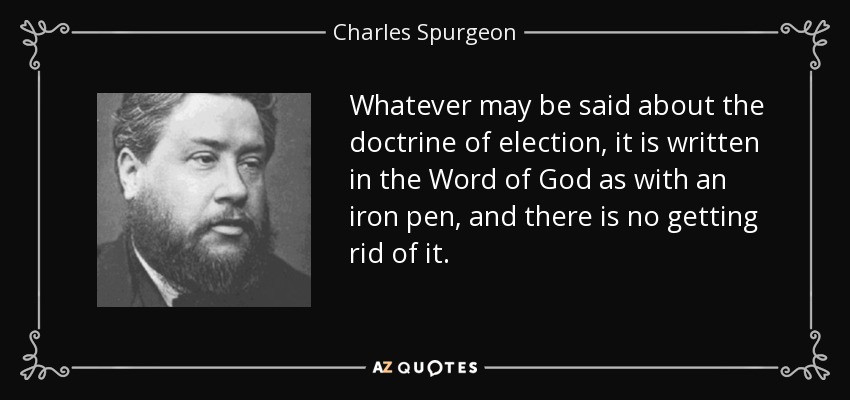
The doctrine of election is one of the most controversial subjects often discussed within Christian theology. The concept of predestination, that God has chosen His people who will be saved not just in the course of their lives or because of their actions, but from before creation itself, has drawn many objections, including from Christians. It is a subject that requires patience and pastoral care alongside a devotion to Scripture’s inerrancy and sufficiency. It also requires a great deal of humility, which often seems to be alien to the debates this issue raises. 

Continue reading “What We Believe – Election”

What We Believe – Sanctification

This is an ongoing series of blog posts based on papers originally written for my church’s elder class. This week’s topic is sanctification in the life of Christians.

Christian preaching works heavily through the concepts of justification and sanctification, and for good reason. We have seen many instances throughout the history of the church where the two concepts have been muddled and confused, and it has led to a great deal of strife. To this day we still struggle with discerning the difference, either by mixing sanctification into justification in a way that requires perfection in the now in order to be or remain justified, or by emphasizing justification so heavily that sanctification becomes an afterthought. The former leads to pharisaism and legalism, and the latter leads to antinomianism and a lack of care for holiness.

From God’s eternal perspective, we are clean and holy in Christ, a finished work that glorifies Him. But to us as we walk through each day of life, the sanctification of the Spirit can involve hardship, frustration, conviction, and even suffering. One passage that captures this duality is Romans 8:28-30:

We know that all things work together for the good of those who love God, who are called according to his purpose. For those he foreknew he also predestined to be conformed to the image of his Son, so that he would be the firstborn among many brothers and sisters. And those he predestined, he also called; and those he called, he also justified; and those he justified, he also glorified.

The battle within ourselves

Yet in our daily experiences we don’t often feel this. Indeed, we often experience a deep sense of frustration as we live out the words of Paul in the preceding chapter, that “when I want to do what is good, evil is present with me.” As we strive forward towards the cross, our flesh continues to fail us. We find our motivations called into question, our hearts heavy, as we mourn the effects of sin even as we also rejoice in our circumstances and struggles. But this is not something we ought to lose hope over. There is, after all, excellent reason that chapter 7 is followed by chapter 8, and the joyful, life-giving truth that “there is now no condemnation for those who are in Christ Jesus.”

Paul’s words in chapter 6 spell out the reality of sanctification for the Christian, and indeed I think it is how we can see the Lord working in our lives. It isn’t in moments of ease and contemplation that our love for God is most cultivated, but the times we experience and resist temptation. Our happiest times are made all the sweeter when we reflect on what we endure to get there, and especially in knowing that God walks through them with us. Our Lord is not distant, after all, because He too suffered with us. He too endured temptation, and in His power we have the right to reject our sinful desires and weaknesses. We can reject the condemnation of the enemy and embrace the truth that we are dead to sin, and alive in Christ.

We endure many things in this life, which serves to grind away at the hardness of heart, fear, doubt, and all the other things that point to the ways that we don’t trust God’s love and promises. For the person who loves God, when we consider all the experiences life may hold, God is promising that each and every one of them will work for our good. This idea is awe-inspiring, but also becomes incredibly vexatious to many when we consider what that might include. Disease? Financial hardship? Horrible abuse? The evils of war? Loss of a child? God’s Word is clear: yes, even these, though to walk with someone through this notion who has experienced suffering on this scale demands a great deal of empathy, patience, and pastoral care.

Purpose in all things – even the hard things

Sanctification in the Christian life is a significant part of our answer to the question of suffering and evil in this world. Why does God allow them to persist? We do not know His wisdom at its greatest height, nor would we be foolish enough to attempt to, but we do know suffering works its way through our lives so that we may be transformed, degree by degree, into the image of Christ. It is through the lens of Christ – His life, His work, His suffering and death, and His resurrected life – that we are able to endure suffering. 

When we experience hardship, grinding away at our lives and comforts, we are able to most fully embrace the truth of Paul’s words in 2 Corinthians 3:17 and 18. We have a freedom by the Spirit that this world cannot take away, and as we behold the truth and love of Christ we further embrace this freedom to endure this dark world. We have freedom in Christ to live knowing that He is better, He is stronger, He is more loving and gracious and providing than this world will ever be. We have freedom to endure evil knowing that He will bring justice to bear upon it in perfect time. We have freedom to be generous ourselves because He is infinitely generous towards us with what we need. And we have the freedom to give up everything, even our lives, because He stands with us, and receives us in glory as His own.

Sanctification’s role in what Paul describes in Romans 8:28-30 can be summed up in the phrase, “God ordains the ends and the means.” I can look at my life and at experiences like struggling to make ends meet, at relationships beginning and ending, or times of literal pain. I can think of moments that the Holy Spirit has lifted an idol from my hands in love, one I had been holding back for so long, and in the aftermath of that I found not loss, but true gain. I found my step lighter and my heart more free. This is why I say that sanctification is dying to ourselves, and finding freedom in Christ. We die to desires that weigh us down and find that the weight was only oppression on our souls. And when passages like Paul’s come to mind in those times when we are wrestling with our flesh, we can take heart in them. 

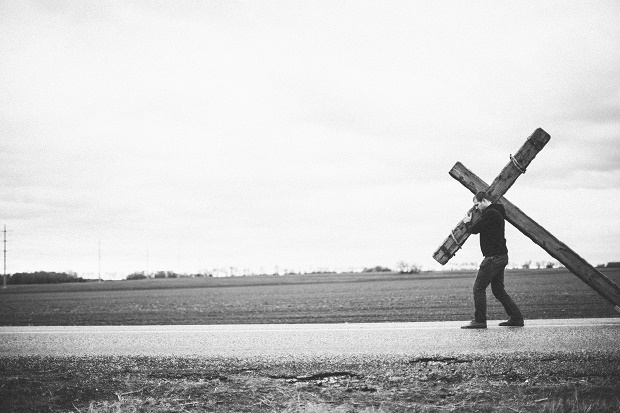
Whatever the pain and suffering, whatever the idol being wrenched from our grasps, whatever evil the world is throwing at us, all of it serves ultimately for our good in Christ. All of it demonstrates that no matter what the world says we need or what we should value, no matter what our flesh longs for, no matter what evil another may perpetrate against us, God’s love is greater. His good plan will come to full fruition in perfect time. And so, we strive to endure it by the strength granted us as we follow behind Christ, our crosses on our shoulders, knowing that death is not the end. J. Todd Billings writes in his book Rejoicing in Lament:

As the Heidelberg Catechism states, “Even as I already now experience in my heart the beginning of eternal joy, so after this life I will have perfect blessedness such as no eye has seen, no ear has heard, no human heart has ever imagined: a blessedness in which to praise God forever.” The continuity between now and then is none other than our incorporation into the life of Christ.

So we walk through sanctification each day, whatever that may look like, and we encourage one another in it in patient love, rejoicing in the Lord always. We do the work before us because it is what leads us to the day that we will truly, as Paul writes in Romans 8:29, “be conformed to the image of Christ.” To us now, that day seems far in the distance, but God sees it clearly before Him, a people made holy and perfect and honored for enduring to the end. 

Hope in all seasons, patience in affliction 

Our story is one of sanctification. All the victories and failures of live, the pleasures and discomforts, they are not purposeless. They are meant to pry our hands free from this life – not in a nihilistic way, but in a manner that points to eternity. 

I think of all the encouragements I could give to others in this, it is that we are not meant to walk through this alone. We are never truly alone of course, in that the Holy Spirit is with us and within us, giving us strength and guidance through all things. But we should seek out those who encourage our spiritual strengthening, who aid in stirring our affections for Christ and who in turn we can serve and encourage in their own walks and strivings. Be with believers who will listen, and who will aid in prayerful and practical ways – and be ready to serve. 

The Bible is full of warnings against hardening our hearts, and encouragement that to endure is to see the fruit of Christ grow in our lives. I want to encourage those of you who may be struggling in any way that you are not alone in that. If nothing else, Jake and I are here to provide prayer and encouragement. The Lord knows your needs, and is with you through it all. After all this comes not a statement, but a question: how can we pray for you?

What We Believe – Regeneration

This is an ongoing series of blog posts based on papers originally written for my church’s elder class. This week’s prompt: Please define regeneration.

The Old Testament is full of vivid imagery from God, on the subjects of His will for His people, warnings of the consequences of sin and rebellion, and the coming work of His Messiah. Some of it is delivered in words, but there are many examples of God giving visions to His prophets to show what was to come. 

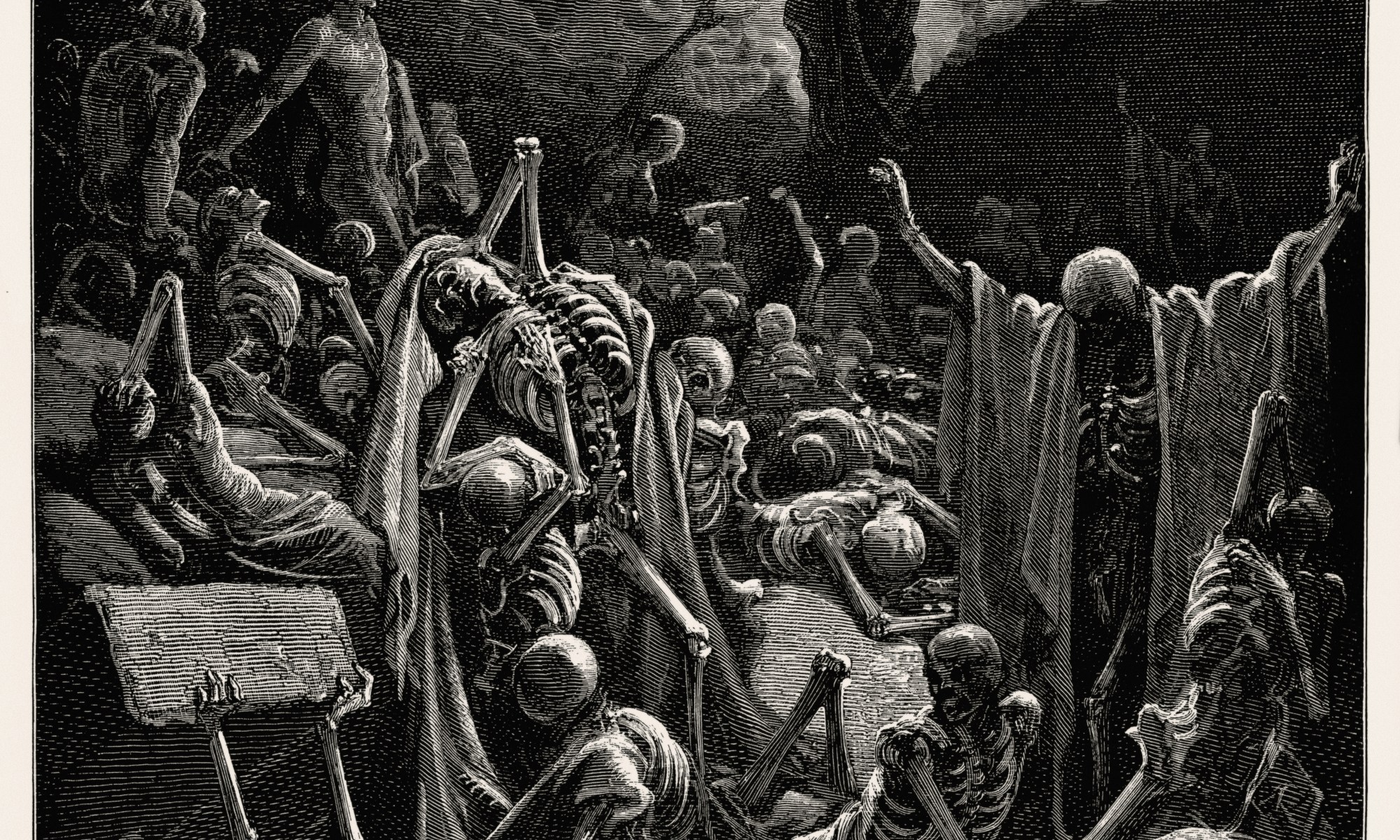
One of the most striking examples is in Ezekiel 37, where God brings the prophet to a valley full of dry bones. Not simply dead bodies, but the desiccated remains of countless humans. God tells Ezekiel to “Prophesy concerning these bones and say to them: Dry bones, hear the word of the Lord! This is what the Lord God says to these bones: I will cause breath to enter you, and you will live. I will put tendons on you, make flesh grow on you, and cover you with skin. I will put breath in you so that you come to life. Then you will know that I am the Lord.” Ezekiel obeys and it happens exactly as God had said it would. God then repeats His command to prophesy, this time to “the breath,” to come and fill the bodies with life. Again, Ezekiel does so, and again, it happens exactly as God said it would. Dead bones become a massive host of living humans.

When we think about what regeneration is, this is the kind of image we need to keep in mind. Another image of this is given in the preceding chapter in Ezekiel, in verses 26 and 27: “I will give you a new heart and put a new spirit within you; I will remove your heart of stone and give you a heart of flesh. I will place my Spirit within you and cause you to follow my statutes and carefully observe my ordinances.” Paul echoes this idea in Ephesians 2 when he writes, 

And you were dead in your trespasses and sins in which you previously walked according to the ways of this world, according to the ruler of the power of the air, the spirit now working in the disobedient. We too all previously lived among them in our fleshly desires, carrying out the inclinations of our flesh and thoughts, and we were by nature children under wrath as the others were also. But God, who is rich in mercy, because of his great love that he had for us, made us alive with Christ even though we were dead in trespasses.

In many ways, to speak of regeneration is to simply reiterate what I wrote about in my last post on the baptism of the Spirit: this is the work of God in His people to bring spiritual life to those who were previously dead in spirit. He takes the unwilling, the rebellious, the God-hater, and makes them not simply able to choose to obey God, but to actually do so. 

This is the same idea that Jesus speaks of in John 3 when he tells Nicodemus that “unless someone is born again, he cannot see the kingdom of God.” Nicodemus expresses incredulity at this, struggling to understand this picture, but Jesus asks him how he can not understand it, being a man who is in his position in part because of his deep knowledge of the Scriptures. He would have intimately known both references I mentioned above, yet he didn’t connect it to what Jesus was talking about. Jesus even points to it in his imagery in verse 8 when he says “The wind blows where it pleases, and you hear its sound, but you don’t know where it comes from or where it is going. So it is with everyone born of the Spirit.”

To talk about the baptism of the Holy Spirit and regeneration is to talk about the planting of a seed and the fruit that the plant that rises from it later bears. He who the Spirit baptizes lives again, and believes, and obeys. This is not, as some say, a “prevenient grace”, grace that puts everyone into sort of a neutral space where they can “choose their own destiny.” He who sees the Spirit work in his heart will find spiritual life, and he who lives in the Spirit will walk in that life. The Spirit’s work of regeneration becomes the sign and seal of the promised eternal life we hope for in Christ. This is what Paul means in Romans chapter 8:

For what the law could not do since it was weakened by the flesh, God did. He condemned sin in the flesh by sending his own Son in the likeness of sinful flesh as a sin offering, in order that the law’s requirement would be fulfilled in us who do not walk according to the flesh but according to the Spirit. For those who live according to the flesh have their minds set on the things of the flesh, but those who live according to the Spirit have their minds set on the things of the Spirit. Now the mindset of the flesh is death, but the mindset of the Spirit is life and peace. The mindset of the flesh is hostile to God because it does not submit to God’s law. Indeed, it is unable to do so. Those who are in the flesh cannot please God. You, however, are not in the flesh, but in the Spirit, if indeed the Spirit of God lives in you. If anyone does not have the Spirit of Christ, he does not belong to him. Now if Christ is in you, the body is dead because of sin, but the Spirit gives life because of righteousness. And if the Spirit of him who raised Jesus from the dead lives in you, then he who raised Christ from the dead will also bring your mortal bodies to life through his Spirit who lives in you.

Regeneration points ahead to resurrection, both in the images used to convey the idea, and in its effect in the lives of believers. By the faith empowered in our lives through the work of the Holy Spirit, we are able to make war on the sinful desires of our old dead humanity while striving ahead towards our new, true humanity, our hope in Christ. 

Spiritual death followed Adam’s sin, but spiritual life follows Jesus’ obedience. It is not our work that brings regeneration about – and how could it? Could those dry bones raise themselves? As Nicodemus asked, could a man enter his mother’s womb a second time? Salvation is a trinitarian work of God. Just as the Father has chosen His people, and just as Jesus has been the perfect sacrifice for us and is our brother in the resurrection to come, so the Holy Spirit is the one who works in our hearts to bring newness of life and spiritual eyes which look ahead to Christ in hope and faith.

There is a larger picture to consider here but also a very personal one. As I edit this to post for the blog, there is a lot of turmoil going on in the world. I won’t belabor this post with pontificating on recent events, and those will likely wait for the next podcast episode for further discourse. But I will say this: If you are dismayed by the turn the world is taking, if you are angry or afraid or embittered: pray. Call out to your Lord and cast your cares on Him. As His church, let’s pray for our neighbors that He will transform the hearts of our neighbors – and do your part to that end by displaying Christ’s love to them.

Beware those who desire to turn you into an army for human ends, or into a voting bloc. Human power is fleeting and vanishes as quickly as it arrives. Trust that God does listen to the prayers of His people, and that He is powerful enough to save, to bring vitality where there is only death, and then: look at your neighbor. Literally, who lives around you? How are they hurting – or how are they rejoicing? Love them in that, serve them in their needs, and be patient as we all endure tribulation. Reject the urge to live a fearful life, and display the patient love of Jesus by trusting that He will be the one to bring mercy and justice to bear at the proper time – but above all, let’s pray that the Holy Spirit will bring life into the hearts of many, and by doing so, bring the only true means of transformation to a hurting and broken world.

How have you see the Holy Spirit work in your heart and in the lives of others to transform? How do you want to see Him further moving in your communities? And above all, how can we pray for you? Leave a comment below or email us.

What We Believe – The Holy Spirit

This is an ongoing series of blog posts based on papers originally written for my church’s elder class. This will be one of the longer entries because I’ve chosen in this instance to combine two topics – who the Holy Spirit is, and what the baptism of the Holy Spirit is. I pray that this is edifying to all who read it.

The Holy Spirit is the third Person of the Trinity, and is seen in Scripture as the one who ministers most directly to the hearts of God’s people, bringing conviction and comfort to hearts, and glorifying the work of Jesus in His work in the church. The Old Testament speaks of Him on several occasions, such as the opening of Genesis 1 where He is described as “hovering over the surface of the waters.”  In Psalm 51 where David grieves his sins with Bathsheba and the murder of her husband Uriah, he cries out to God asking Him “Do not banish me from Your presence or take Your Holy Spirit from me.” In Isaiah 63, the Israelites are described as having “grieved [God’s] Holy Spirit” with their rebellion, leading to punishment. 

The New Testament sees the Holy Spirit described by Jesus as the Counselor in John 14, and as the Spirit of truth in chapter 15. Acts 16 calls Him the Spirit of Jesus, while Revelation uses the title of “seven spirits” or “the sevenfold Spirit” – not that there are seven separate Holy Spirits, but seven is a number associated with completeness in God. Just as Hebrews 1 describes Jesus as being “the radiance of God’s glory and the exact expression of his nature,” the Holy Spirit also bears the fullness of God’s being. He is often misrepresented as being merely an expression of God’s will, or an impersonal force representing God working in the world. But Jesus’ description of Him as being “another Counselor,” using a word that in Greek means “one like the first” as Boice points out, makes it clear that the third Person of the Trinity is not lesser in any sense.

Continue reading “What We Believe – The Holy Spirit”

What We Believe – Our Great Hope

This is an ongoing series of blog posts based on papers originally written for my church’s elder class. This week’s topic: the death and resurrection of Christ, and the hope that we as believers have in this truth.

The death of Jesus on the cross rightfully is the focus of so much Christian thought and worship, because in His death we have a complete atonement for our sins. But we have just as much of a hope in His resurrection, because by it we see the true defeat of the curse of death, that consequence of sin that most plagues mankind. When Adam died, all he could do was exactly what God said would happen – decay into the dust he was made from. But when Jesus died, the second Adam, He knew that it would have no hold over Him. He had told his disciples as much many times, and the Scriptures promised as much. Psalm 16:10, for example, looks ahead and says “For you will not abandon me to Sheol; you will not allow your faithful one to see decay.” 

Sheol – the grave – was the place all men went at the end of life. Death was the co-curse with sin, for to sin – to live life according to the wisdom of the flesh, in opposition to the wisdom of God – has no possible end but death. God warned Adam and yet Adam sinned and so, took this evil onto himself and all his descendants. Even beyond humanity, in all the world death reigned where life once did. Decay and entropy threatened the end of creation’s blessed existence. Man’s self-deceived foolishness is so self-destructive, in fact, that God had to destroy almost all of humanity with a flood. When the descendants of the survivors began to thrive and seek again their own power, God had to confuse their languages and scatter them across the globe.

Yet Christ conquered all of it. Man embraced sinful living and yet lived in understandable fear of its consequence in death. Christ rejected sin, living without its marks all His days, and yet walked wholeheartedly into the embrace of death – and a most horrifying and humiliating death at that. And in doing so, by letting death take Him as the perfect sin offering for all God’s people, He overcame it. He became a seed that, falling into the ground and dying, grew up into a vast tree of eternal scope and life-giving fruit that will never fail. 

Jesus Christ, the Lamb that was slain, was given glory in His resurrection, and we hope in His glory and life. We don’t simply look at His death as a tragic killing of a good man by an evil regime, because His story does not end there. He took His life back up and more than simply returning from the dead for a short period then dying again, as Lazarus did, He lives still. He ascended to the Father, to await the day that He will return to finally well and truly destroy sin and death in all creation, to bring His work to its full consummation in the redemption of all creation. 

His disciples stood where they saw him ascend for some time, until angels told them that He would return the same way He went. They held that hope and it led them to prayer in unity, and that same hope enriched all their preaching. No longer was there simply life that ended in the grave, but the resurrection of Christ was and is the hope of all. Apart from it, as Paul writes in 1 Corinthians 15, life is foolishness and hope is in vain. But with it, we can endure everything that life brings, every dart of the enemy, every pain and loss and moment of suffering, because they all cease and are undone in the life of Christ.

So what?

While re-reading C.S. Lewis’s novel Perelandra recently, I was struck by the horrifying description of death and damnation by a character that has suffered under demonic possession for most of the novel. While much of it is rooted in Lewis’s particular views of the nature of hell and the enemy, the idea that dying in sin is to sink farther away from God and away from all His hope is one that sat in my mind for a long time. 

I was also reminded that this is why the hope of Christ’s resurrection and ascension are so crucial and powerful. No longer do we who trust in Christ fear that sinking away, that loss of connection with God. Instead, we look to when that connection grows stronger, and our intimacy goes from at arm’s length to true, face to face knowledge. We know this is true, and we long for the day we finally have this most rich possession as our own.

This is bedrock Christian theology, truly the cornerstone of Christ’s work is found in His death and resurrection. Yet it can feel like a rote recitation, like something that loses its potency the more we repeat it to ourselves, if we don’t actually meditate on it. “Jesus died for our sins.” “Jesus lives.” These two sentences ought to be a soothing truth to our deepest beings, not only because of their simple truth but also because within their few words the whole of life in Christ is enfolded.

Perfect love

Jesus came as the messiah, the chosen one who would end the rule of evil and usher in God’s kingdom. When He came, so many expected him to drive out Israel’s enemies with overwhelming power – and who could doubt that He was perfectly capable of doing so? A man who was capable of feeding thousands with a handful of bread and fish could sustain endless legions. Someone who can tell a storm to cease could command the ground to open up and devour His enemies in a moment. Surely Jesus could have crushed Rome and every other human empire with a single word? 

And that’s the image John gives in Revelation 19 – the victorious Christ riding to earth on a white horse, his weapon a sword that comes from His mouth. His robe is stained with blood. Yet Jesus came before His people riding on a donkey’s colt. His clothing certainly was stained with blood – His own. 

And all of this, an image of a life in the kingdom. Our lives are not our own, but they are held in His hands – and so we can lay them down for the sake of others. We can love that neighbor who’s in need and know that such service is deeply loved and blessed by the Father. We can be patient in those times when life’s turmoil weighs on our hearts, because we know He has been there, and He walks with us in them.

I want to close with two hopes:

We hope in the death of Christ because in His death, we are forgiven for all sin. A picture of this was carried out over and over in the Israelite sacrificial system as sin was atoned for through the shedding of blood. Everything was made holy through the sprinkling of blood, and there could not be any entering into God’s presence without it. There was an endless reminder of humanity’s sinfulness in those sacrifices – yet Jesus has taken the place of all of it, and through His death He has made the way by which every people group may come to know the One who made them.

We hope in the resurrection of Christ because He has overcome death, and we look forward to the day that we too will be like Him. I love the way Paul talks about being “in Christ” in Ephesians 1, and what it truly means for us to receive the benefits of that – “holy and blameless,” “adopted as sons,” recipients of “an inheritance” and “sealed with the Holy Spirit.” So when suffering enters our lives, we know that the words of the author of Ecclesiastes, that our lives are but a vapor, is true – but we also know that in Christ’s resurrection, we have a greater life ahead of us that will never end. 

When I think of the weight of my sin, my struggles, the things that drag me down day by day, and I compare them to this tremendous promise, I can’t help but ponder the truth of Paul’s words in 2 Corinthians 4:17 – it truly is an “incomparable weight of glory.” 

How does the doctrine of the resurrection affect your thoughts and living? Do you struggle to see it as real and meaningful? Share your thoughts below or email us – prayer requests are welcome!

What We Believe – The Grace of God

This is an ongoing series of posts based on short papers written for our church’s elder class and edited (and in some cases, expanded) for this format. Today’s writing prompt: “What is your view of God’s grace?”

God’s grace is a subject that is on my mind daily, every hour as I struggle against sin or feel the weight of failure. The beauty of His grace in my life is has been transformative in the way I’ve grown, and yet it provides so much relief from the weight of the fact that on my own, I am utterly incapable of doing what is pleasing to God. God showers the whole world with His grace even as it revolves daily in rebellion – rain falls on saved and unsaved alike, happiness and joy persist even for the most virulent atheist. His common grace is a sign of who God is – the loving Creator and Father of all of us. Yet the grace that we seek is the grace that is available in Christ. This is the special grace that saves all who receive it, all who stand in Christ in faith. I think about this often, as I pray and work after my desire to grow into the image of Christ.

What is grace?

Grace could be described as the application of God’s love. His love is shown in all creation through grace as I mentioned, by His provision of our needs. God provides for our need for food, in abundance and variety. He “sends rain on the righteous and the unrighteous.” He gives both work and rest to humanity.

And more than that, He provides an abundance of beauty in our world, of a form that humans continue to seek to recreate through our own artistic methods. I’m reminded of what I like to call the “Holmes apologetic,” from a Sherlock Holmes story where the detective stops mid-thought to remark on the beauty of flowers, and how a flower’s “smell and its color are an embellishment of life, not a condition of it. It is only goodness which gives these extras, and so I say again that we have much to hope from the flowers.” When we look at nature and consider it, from the incredibly minute detail of particles so small no eye could see them, to vast stellar nurseries discovered deep in our galaxy and beyond, the artistry of God demonstrates His love for his creation.

In theological terms, we see two concepts of grace: what is called “common grace,” which is God’s provision for our existence and for creation itself, and “special (or saving) grace,” which is His provision of salvation in Christ. Common grace is what I described above, in God’s provision for all His creation. Special grace is not given to all, but to His people – to all who believe in the name of Jesus and look to Him for life and hope. For those who do not, God’s common grace will ultimately become a condemnation – they received God’s goodness while refusing to worship Him as God.

As Paul says in Romans 1, the truth of God seen in creation is not new information to humanity. We know this, but we also “suppress the truth in unrighteousness.” In our sin and our refusal to honor our Creator, we deny God’s handiwork as being special or of showing His glory. We allow cynical, nihilistic beliefs to draw us into attitudes of self-absorption, rather than humility. But humility is the key that unlocks the gate to the way of Christ, a humility brought about by the conviction of the Holy Spirit in the hearts of those who hear the gospel and by God’s grace respond. In Romans 3:23 Paul writes that “All have sinned and fallen short of the glory of God.” But Paul answers this problem with the only possible solution: the grace that is given to us through the sacrifice of Jesus. We are all tainted by sin, and there is no way we can “un-sin” by our own means – as Isaiah writes, even our attempts to do good are tainted by our evil desires before God. But the special grace of Christ truly and perfectly covers our sin, and He delights to administer that to us each day, as our great high priest before the Father. 

God’s grace transforms our hearts

Paul continues in that chapter to demonstrate that humility is the necessary consequence of this realization – boasting in ourselves “is excluded” he writes, “by a law of faith.” Our way is not a free ticket to do what we please because God doesn’t care any longer. His grace creates in us a realization that we have received what we do not and could never deserve.  And as that truth works inward like a seed that is sprouting out of the ground, it changes us bit by bit, breaking away hard-hearted and selfish attitudes and bringing idols to light so they may be thrown down. God’s saving grace shows us that truly resting in God for all our needs, from the most basic to the most profound, is precisely the life God intends for us to live in Him, now and in eternity. As Charles Spurgeon said, “The more grace we have, the less we shall think of ourselves, for grace, like light, reveals our impurity.”

I remember how this happened in my own life, and the moment I experienced that deep conviction of my own sin even as I also felt a tremendous sense of joy of knowing that Jesus was, in fact, enough. It was during a sermon many years ago that the Holy Spirit used as a transformative moment beyond description, and I think about that day often, even as I think about the days and years to come walking the path of Christ.

This applied love of grace is not simply an expression of pity, though pity could be said to share in it. When God saw the sorry state of Adam and Eve in the garden, even though He surely was not surprised by any turn of events, might pity not have had its place in His promise that the woman’s offspring would destroy the enemy and his work? When Jesus stood among weeping mourners at the tomb of Lazarus and joined in their tears, pity surely must have been one of the feelings he bore as he demonstrated the great hope of life that was His gift to humanity, when he called Lazarus forth from the tomb. But this great love expresses the perfect love in unity shared by Father, Son, and Spirit. Again returning to Romans, Paul writes in chapter 5 that “God proves his own love for us in that while we were still sinners, Christ died for us.” 

Knowing that, we can bring our heavy burdens to Him. We can truly obey the call of Psalm 55:22, to “cast all our burdens on the Lord, and he will sustain you; he will never allow the righteous to be shaken.” We often do feel shaken, it is true, but God knows our needs and provides for them, in His love, by His grace. The more we realize this grace, the more we lower our own self-estimations, and raise our worshipful attitudes in expressing that love we have received to God, and to one another.

Living in His grace

The implications for our day to day lives are nothing short of tremendous. Yet they are also the implications that we often find ourselves blinded to the most by our day to day lives, our personal sin struggles and sufferings, and even our successes. When we build our lives around His grace, we find a rest that supports and extends far beyond all our earthly hopes, because life in Christ itself likewise is far beyond our brief years in this world. 

I want to end with three ideas of ways we can grow in the grace of God in our daily lives:

  • Pursue the things that bring His grace to mind. This can be done in many ways, from taking time to reflect on the beauty of God’s grace in nature and the goodness of His provision for your life in things like a good meal, to meditating on the testimony of Scripture and the teachings of those who have pursued this deeply. 
  • Find ways to express the ways you’ve seen God’s grace move in your life. You don’t have to have a big formal journaling effort, though keeping a personal record of the ways you experience God’s grace is a good idea. When dark times come, being able to remember that God’s presence has not lessened is wise.
  • Don’t try to walk alone. Have people who are close to you, who you trust and who knows you. When hardship comes and clouds fill the horizon of life, have someone who can encourage and pray with you. This should be a person who can listen to confessions of the sins, fears and failures of your life and remind you of your true worth in Christ. My podcast cohost Jake is a person like this for me, someone who I turn to often when I’m needing to talk about life struggles or confess sins.

None of this is dynamic and new, but then that’s not the point. The goal is to build a reminder into our lives of the constant grace of God, and the Holy Spirit has given us so many ways to do so through the Word, through prayer, and through the people around us. Pursue the grace of Christ daily, and the day will come where both suffering and success in this world will be a dim memory compared with the joy of truly being in the presence of Jesus. My prayer for everyone who reads this is that you will strive each day towards that moment for yourself.

How has the grace of God impacted your life? How do you want to see God move further in your life and transform your heart? Leave a comment below or email us, prayer requests are welcome!

Episode 3: Back At It – Papers, Prayers and Passions in Life

After a hectic summer Dave and Jake are back together talking about life, music, new babies, and much more. Our church’s elder class recently wrapped up and we’ve been publishing these piecemeal on the podcast website. We’re also going to begin turning these into podcast episodes, so we spent a little time talking about the purpose of these as well as our hopes for the future of this class. 

Some of the books we talked about in this episode:

Biblical Critical Theory: How the Bible’s Unfolding Story Makes Sense of Modern Life and Culture – by Christopher Watkin

Art and Faith: A Theology of Making – by Makoto Fujimura

The Rise and Triumph of the Modern Self: Cultural Amnesia, Expressive Individualism, and the Road to Sexual Revolution – by Carl Trueman

Habits of the Household: Practicing the Story of God in Everyday Family Rhythms – by Justin Whitmel Earley

Follow Coronation Radio on Facebook

Visit our website for more content

Email us

What We Believe – The Imago Dei

This series is taken from short papers I wrote for my church’s elder class in response to different questions. This week’s question: What does it mean that man is an image-bearer of God?


Genesis 1 contains the account of God creating everything, day by day. Each part of creation has its place and is authored by God’s will, and each part is declared to be good. In verse 26, humanity is created specially and uniquely, “in our image, according to our likeness,” as the passage reads. But we struggle with understanding what it means to be truly made in His image. With the fall of man in chapter three of the same book, we see that humanity takes on a desire to be God. In the subsequent chapters and books and continuing down through human history, people have tried to make gods in the image of humanity, either literally or in the reckoning of what we believe is powerful. 

If we look in a mirror, we see an image of ourselves created for that moment, the product of light reflected off a surface that displays what we look like. But it is not us, and it only exists as long as we choose to stand there. Walk away, and the image vanishes, yet we continue. In her book Five Lies of our Anti-Christian Age, Rosaria Butterfield uses this analogy to explain this unique relationship between God and man, one that is not shared by any other aspect of creation. She says, “God is the object in the biblical creation account, and we are the reflection.” 

Her analogy is rooted in the one Paul uses to express the longing we experience in this life as we look toward a future of truly seeing and knowing God in 1 Corinthians 13:12: “For now we see only a reflection as in a mirror, but then face to face. Now I know in part, but then I will know fully, as I am fully known.” And he follows it up with a very telling concluding verse to chapter 13: “Now these three remain: faith, hope, and love—but the greatest of these is love.”  

Love is what flows from God to His creation, and most especially to humanity. Love is what propels Him to mercy when Adam and Eve sin, and to promise a redeemer who will restore what they have broken. Love drives God to display mercy to the Israelites over and over, to be patient beyond any human reckoning, as generation after generation falls into rebellion and idolatry and requires reminding again that there is only one true God. And most of all, love is what drives the Trinitarian work of salvation – love within the Trinity, and love of God for His creation, for His image seen in His people. To acknowledge that we are made in His image is to accept and share in His tremendous love, and to rest in that love and all the promises it carries for provision, protection, and ultimate salvation in this world and the next.

By the same token, to deny that we are made in God’s image is to deny that love, and to deny the very thing that makes us human, more than just animals with higher intelligence and greater emotional capacity. Sin is an attack on that image. The first sin in Genesis 3 was a denial of God as creator and ruler, and an attempt to assert the right to decide right and wrong apart from Him. Murder is a vicious assault on God’s image, and carries the death penalty in Israel’s law because to kill a man is to destroy that image. Idolatry is a sin because it says that a man may know better what God should be, than the One who created us.

When the author of Hebrews describes Jesus in chapter 1, he calls him “the radiance of God’s glory and the exact expression of his nature,” that is to say, while we are made in the image of God, Christ is the image of God. When we trust in Christ, we are looking to He who bears the unscarred, unbroken perfection of God’s image in His humanity, and the perfect power and total authority of God in His divinity.

When we place our trust in Jesus, when we preach the power of His name and the love and mercy of God found in Him, we are calling out to all humanity with a tremendous message. We are saying, “Stop trying to be something you are not, and remember that you are something so much greater in creation – you are made to reflect the perfect, the complete, the holy.” When we preach the gospel we say to our listeners, “Be who God made you to be, because to be His image is to find true life that transcends anything your base desires in this world could hope to find.”


How does knowing that you are made in the image of God affect your view of yourself and others? How can this empower you in your walk with Christ and the way you love your neighbor? Let us know below in the comments!