
This is an ongoing series of blog posts based on papers originally written for my church’s elder class. This will be one of the longer entries because I’ve chosen in this instance to combine two topics – who the Holy Spirit is, and what the baptism of the Holy Spirit is. I pray that this is edifying to all who read it.
The Holy Spirit is the third Person of the Trinity, and is seen in Scripture as the one who ministers most directly to the hearts of God’s people, bringing conviction and comfort to hearts, and glorifying the work of Jesus in His work in the church. The Old Testament speaks of Him on several occasions, such as the opening of Genesis 1 where He is described as “hovering over the surface of the waters.” In Psalm 51 where David grieves his sins with Bathsheba and the murder of her husband Uriah, he cries out to God asking Him “Do not banish me from Your presence or take Your Holy Spirit from me.” In Isaiah 63, the Israelites are described as having “grieved [God’s] Holy Spirit” with their rebellion, leading to punishment.
The New Testament sees the Holy Spirit described by Jesus as the Counselor in John 14, and as the Spirit of truth in chapter 15. Acts 16 calls Him the Spirit of Jesus, while Revelation uses the title of “seven spirits” or “the sevenfold Spirit” – not that there are seven separate Holy Spirits, but seven is a number associated with completeness in God. Just as Hebrews 1 describes Jesus as being “the radiance of God’s glory and the exact expression of his nature,” the Holy Spirit also bears the fullness of God’s being. He is often misrepresented as being merely an expression of God’s will, or an impersonal force representing God working in the world. But Jesus’ description of Him as being “another Counselor,” using a word that in Greek means “one like the first” as Boice points out, makes it clear that the third Person of the Trinity is not lesser in any sense.
His role in the church is to bring glory to Jesus, as John 15:26-27 says, to testify about Him, and in doing so, to bring forth testimony from those who follow Jesus. He does not bring glory to Himself, just as Jesus did not come to glorify Himself but was glorified by the Father. The Trinity’s perfect unity is seen in that giving of glory to one another and drawing the eyes of all to Christ as the object of our Faith. His work is described in John 3 by Jesus as bringing about a second birth, new life in the hearts of God’s people, and yet like the wind – moving in ways we may not understand and certainly could never hope to control.
Paul speaks of two significant ways in which the Holy Spirit’s work in the church is evident: the fruit of the Spirit (Galatians 5:22-23) and the gifts of the Spirit, described in different places such as 1 Corinthians 12, Romans 12, and Ephesians 4. The distinction between the two is important, because the fruit of the Spirit is in and for all believers and they are one fruit, even as it is described as being different qualities of believers. No one will grow in faith and patience but have no self-control or love.
The gifts, however, vary and all are intended for the building up of the church as the body of Christ. We see leaders, teachers, helpers, and much more. The controversy and questions arise around the concept of “sign gifts,” what these are, and whether they persist. This is a question for a later discussion, but the Spirit most certainly continues to empower Christians throughout all church history to this day to minister to the flock and to the lost world around us, bringing the Gospel of Jesus Christ to bear on the hearts of the lost and making hearts ready to receive these words and respond to them.
The Holy Spirit takes residence in us when He transforms our hearts, when that new birth comes to us. Apart from the work of the Spirit, as Paul writes in Romans 8, we are of the flesh and “the mindset of the flesh is death, but the mindset of the Spirit is life and peace. The mindset of the flesh is hostile to God because it does not submit to God’s law. Indeed, it is unable to do so. Those who are in the flesh cannot please God.” This new heart, this transformed mindset, is a work of the Holy Spirit that is necessary for us to have faith and to walk in it.
To cry out to God, to hope in Christ, to rejoice in all circumstances because no matter what He is our Lord, that is the Spirit’s doing. There is a desire on the part of some to necessitate human action before the Spirit can do what He will, but there can be no room for this idea from Scripture. Man on his own will not submit to God. God must do the work He describes in Ezekiel 36:26: “I will give you a new heart and put a new spirit within you; I will remove your heart of stone and give you a heart of flesh.” This is the true life that the Holy Spirit brings to us, as faith in Christ is made not only possible but absolutely certain in the hearts of all God’s people.
The Holy Spirit is the sign and seal of our life in Christ. He is the means by which God ministers to our hearts, transforms us, enables and empowers our faith, and directs our steps. The Holy Spirit is the fire burning in us that enables endurance through all things, as He calls us to fix our eyes on Christ. He unifies the church around the cross and the empty grave, and prepares our hearts for the day when we will be finally and fully unified around the throne.
The Baptism of the Holy Spirit – What, and Why?
The Holy Spirit’s work in the church is what empowers all believers to walk in the way of Christ. Scripture testifies that the Son is begotten of the Father (John 3), and John 14 says that the Holy Spirit proceeds from the Father in the name of the Son. But it is the goal and work of the Holy Spirit that helps us to understand what the baptism of the Holy Spirit is.
Jesus says in John 14:17 that the Holy Spirit is “the Spirit of truth,” and in verse 26 that He “will teach you all things and remind you of everything I have told you.” All four of the gospels carry a statement from John the Baptist, comparing his work of baptizing with water for repentance with the work of Jesus to baptize with the Holy Spirit and with fire – statements that themselves point back to the prophetic passages of Isaiah 32 and 44 and Joel 2 that use the image of baptism in the Holy Spirit to prophesy about the work of the Messiah in transforming the hearts of His people.
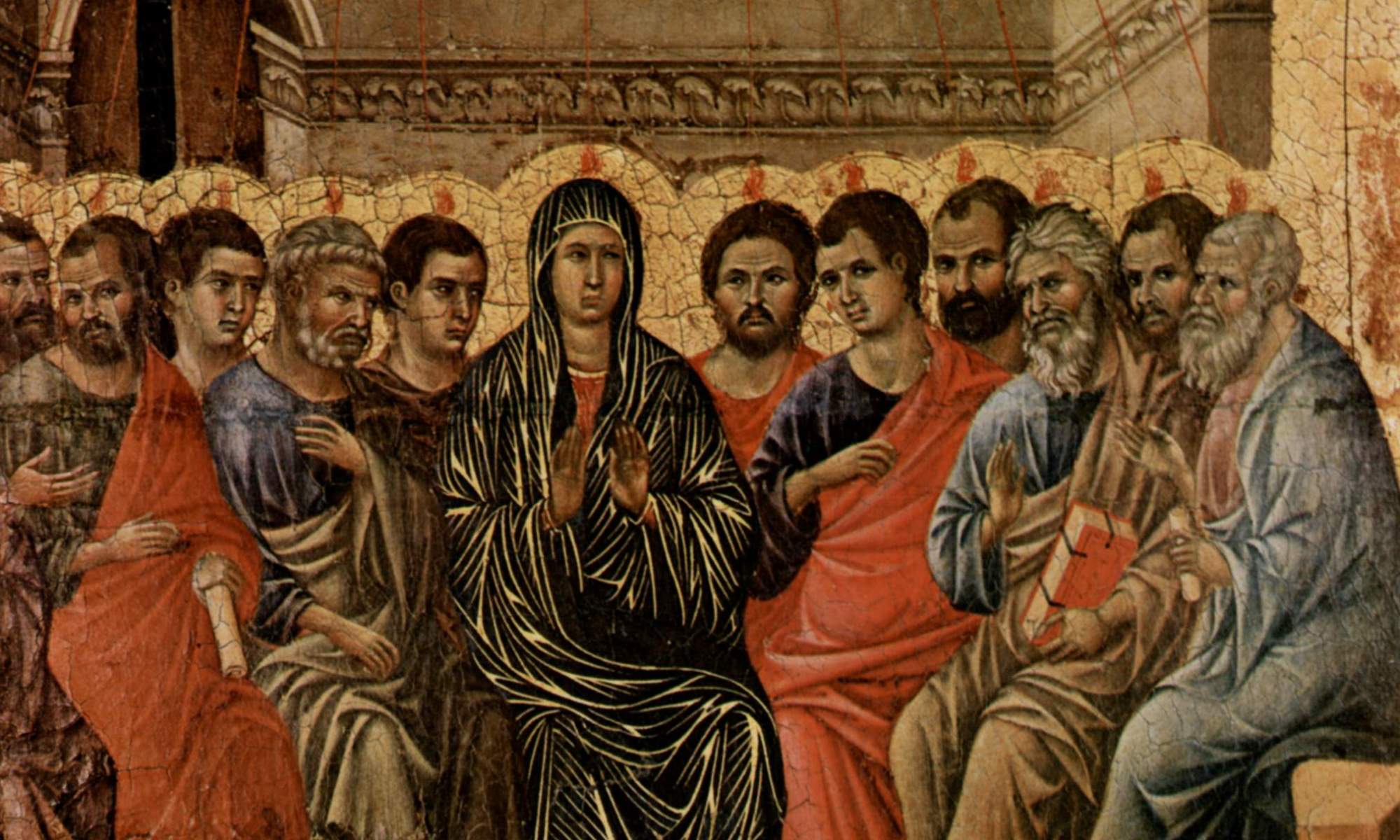
But what does it look like to see this baptism at work in the church? In Acts 2 we see a very profound image of this, as the apostles are together when “a sound like that of a violent rushing wind came from heaven, and it filled the whole house where they were staying. They saw tongues like flames of fire that separated and rested on each one of them. Then they were all filled with the Holy Spirit and began to speak in different tongues, as the Spirit enabled them.”
They experience a physical manifestation of this baptism, as a demonstration of this new stage of the work of God among his people. This manifestation, of each of them having tongues of fire descend on them, is of the same kind of image as that of the coming of God’s presence into the tabernacle and into the first temple as a pillar of fire and smoke. Now however, God’s temple is within His people, His church. And they go forth from that room doing exactly what Jesus said they would in Acts 1, preaching the gospel to everyone in Jerusalem and empowered so that everyone could understand them regardless of their language.
This grabs the attention of these thousands of people, that a handful of Galilean Jews are suddenly proclaiming to them in languages they have no business knowing. And as a result, Peter is able to stand before them and preach the first sermon of the church, bringing up the prophetic words of Joel 2 on what has happened: that they are bearing witness to the outpouring of the Holy Spirit and that it is to point to the work of Jesus, the Messiah, and the one who was killed at the wishes of the crowd. He preaches boldly from the Scriptures, expositing the truths of the Old Testament and how they point to Jesus, and the hearts of his listeners are convicted. We see the Holy Spirit working in the apostles through the gifts of teaching and preaching, of tongues, and through convicting the hearts of Peter’s hearers.
Paul builds on this more in 1 Corinthians 12, in teaching on the gifts of the Spirit. He emphasizes to the Corinthians that while there are different ways in which the Holy Spirit has gifted believers – including teaching, tongues and interpretation, faith, healing, and more – with the focus on the fact that all of it is intended to build one church united in Christ. Paul’s words are just as pressing today, as division comes very easily to Christians.
We see the effects of the baptism of the Holy Spirit in the changed life of believers, from leading self-centered lives of idolatry, into leading humble lives of service to God and to others. A person baptized in the Holy Spirit is a person who has the capacity to be generous in the right circumstance because he knows everything he has is from God. We see the wisdom of the Holy Spirit working out in wise teachers discerning truth, and preaching the gospel of Jesus from all of Scripture. And we see the power of God worked out in the Holy Spirit’s work to perform miracles that display God’s power over the evils of this world and His will to restore what is broken.
The baptism of the Holy Spirit is a baptism into the work of Jesus. That baptism may involve what we consider miracles, but the purpose is more important than the method. As Dane Ortlund writes in his book Gentle and Lowly,
Jesus walked the earth rehumanizing the dehumanized and cleansing the unclean. Why? Because his heart refused to let him sleep in. Sadness confronted him in every town. So wherever he was, whenever he was confronted with pain and longing, he spread the good contagion of his cleansing mercy. [p.32]
We join in this great and holy work in everything we do, enabled in will, in word, and in deed by the Holy Spirit that draws our hearts to worship and to long after our holy Lord, and to walk in His ways.
One thing I always point to when discussing the baptism of the Holy Spirit in the context of 1 Corinthians 12 is that it is immediately followed by chapter 13, and the truth that the greatest gift is one we all receive: love. The church is unified in our love for God and for one another, and where we see that lacking in our hearts, we ought to pray earnestly that this love would be ignited within us. The baptism of the Spirit enables faith and obedience, that second birth of John 3, and we can trust that He will bring glory to God through even the small everyday acts of obedience in our lives.


2 Replies to “What We Believe – The Holy Spirit”